Tropos
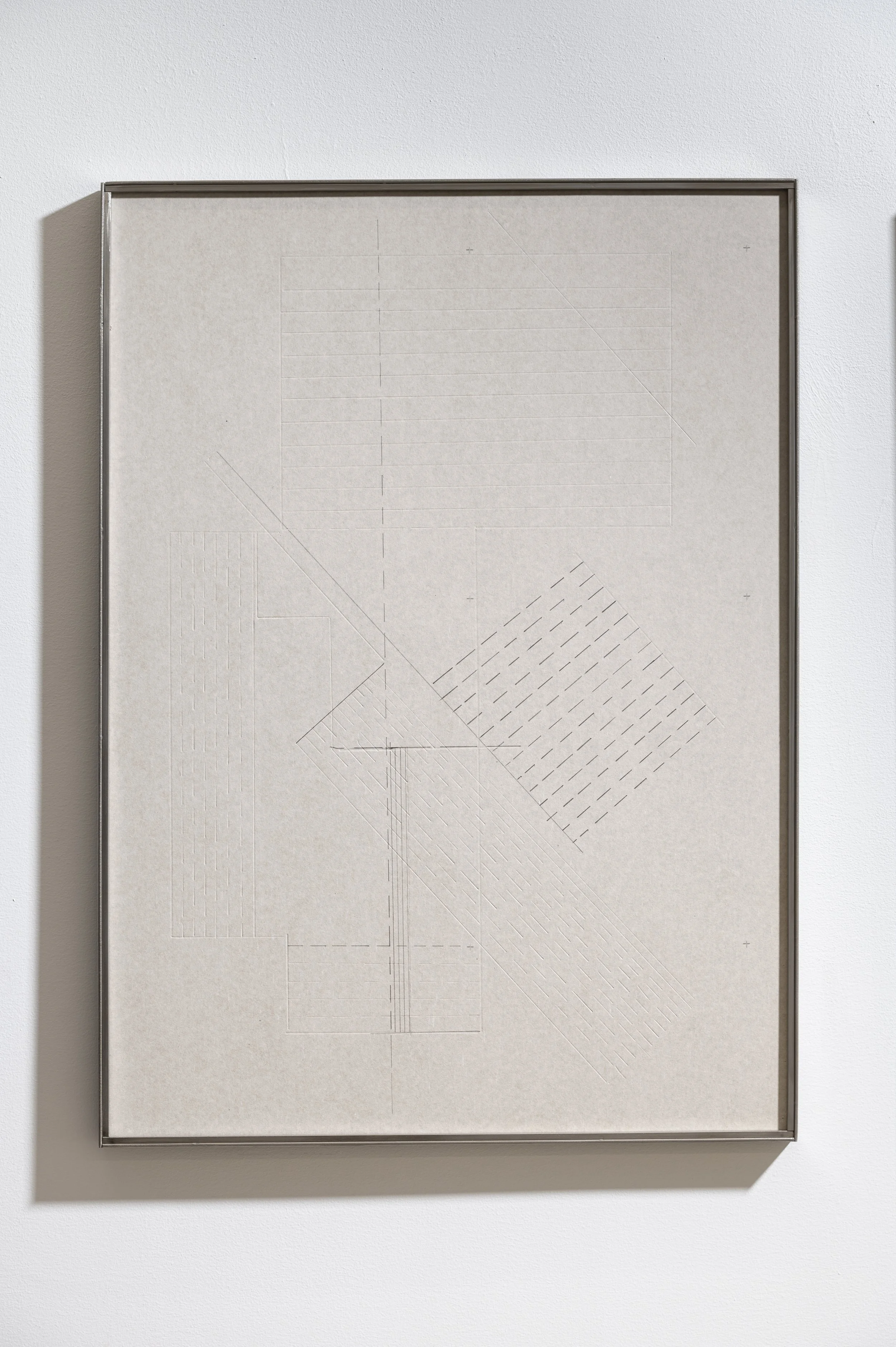
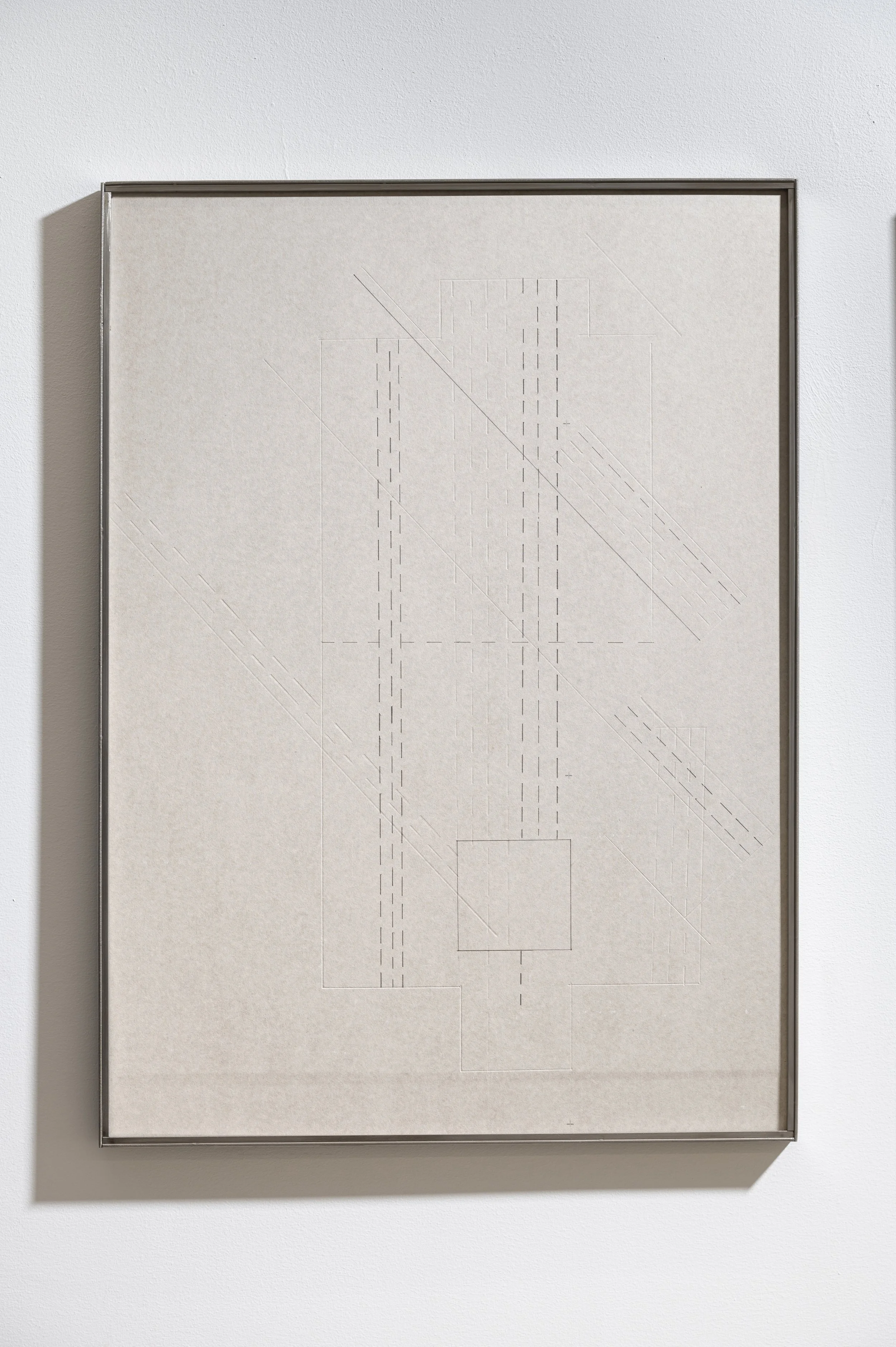
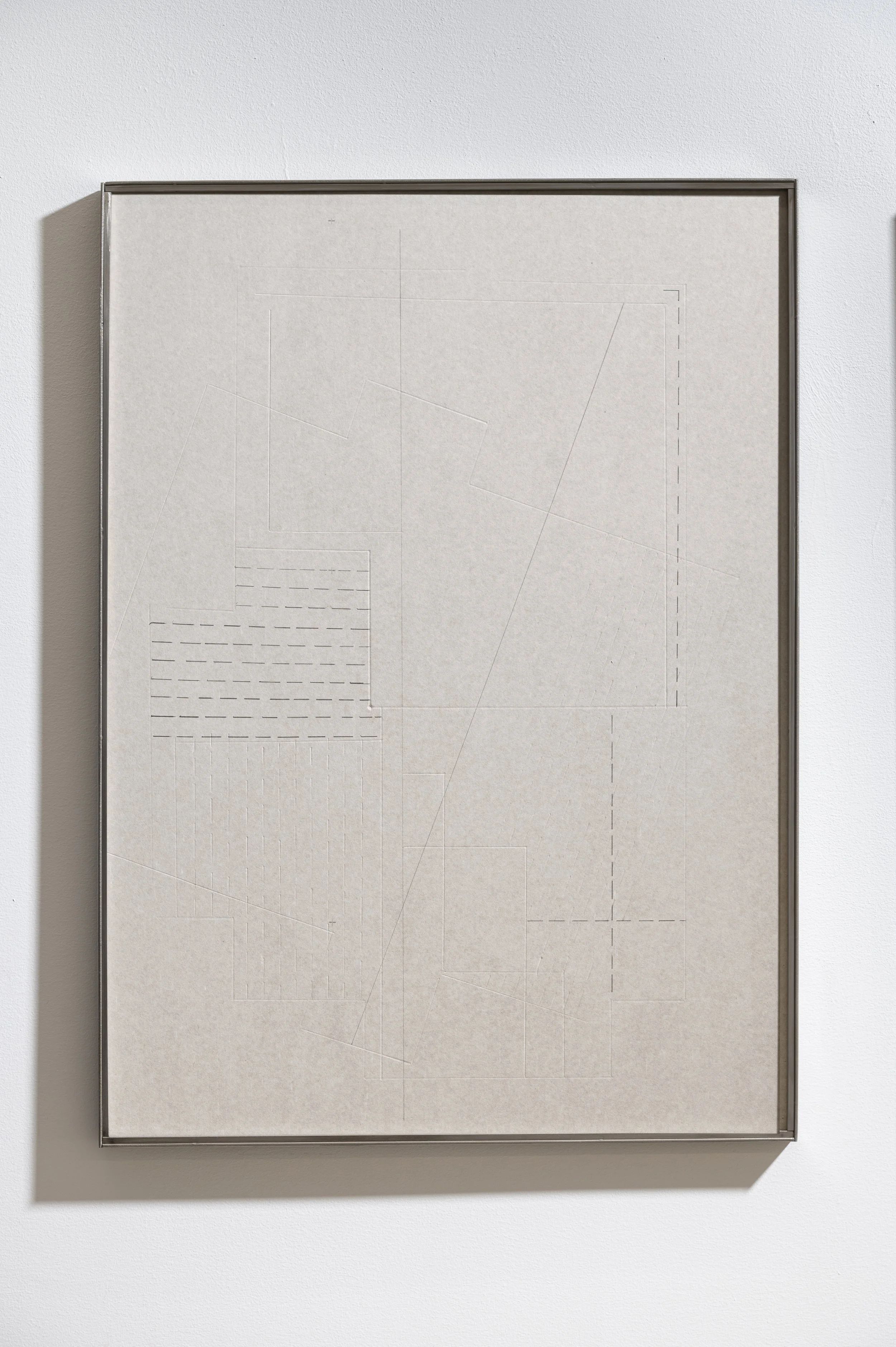
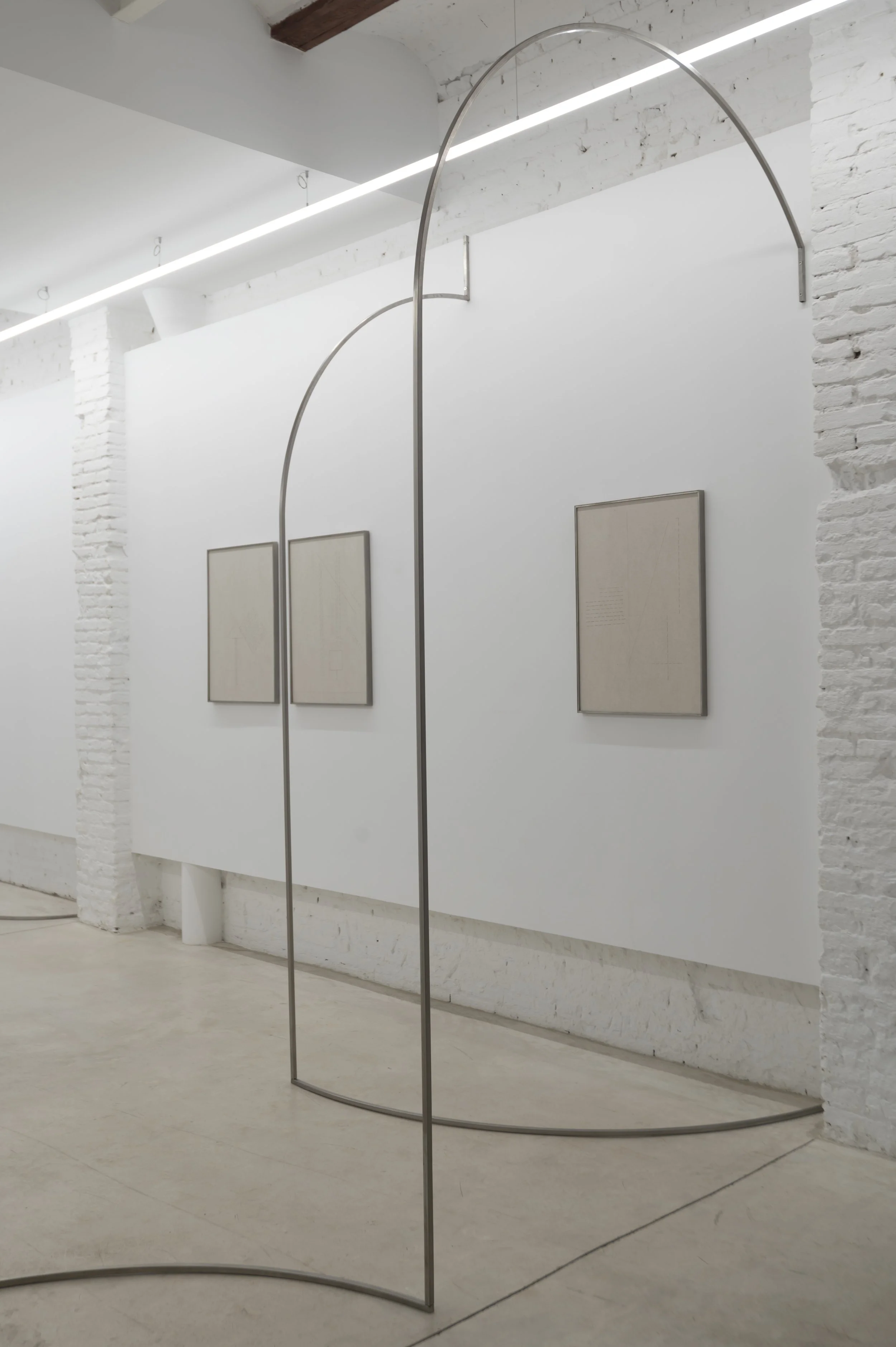
En su Éloge de la main, Focillon recuerda que toda forma, antes de ser concepto, es gesto. La mano piensa mientras actúa, imprime en la materia un ritmo que no solo configura un objeto, sino que abre un modo de habitar el mundo. Esa relación entre pensamiento y trazo, entre cuerpo y espacio, atraviesa la práctica de Lluc Margrau, siempre sostenida en lo mínimo: la presión de un lápiz, la incisión de un punzón sobre el yeso laminado, la línea que delimita un arco invisible. Esta idea opera como punto de partida para la serie de cuatro obras que componen este conjunto.
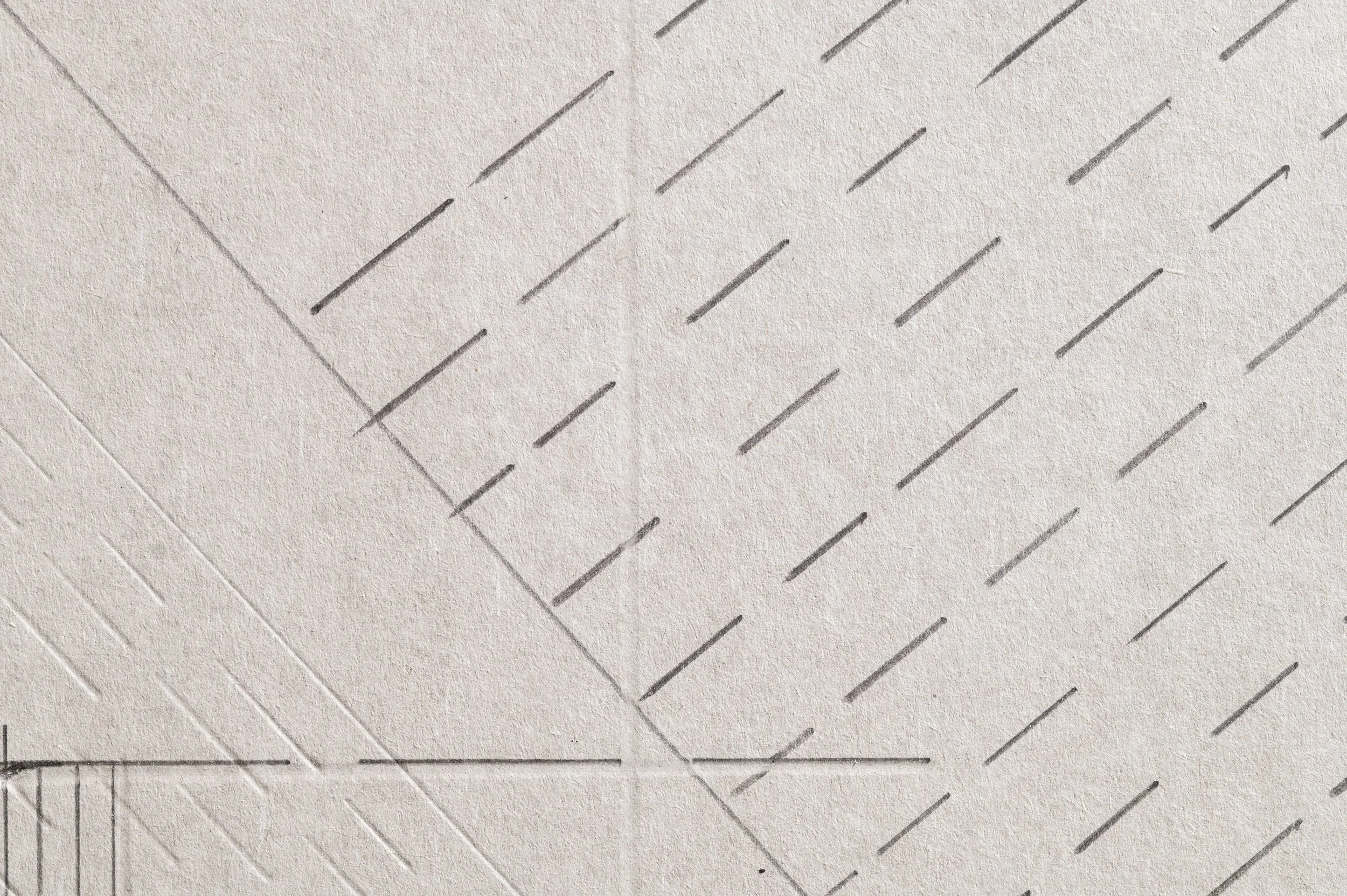
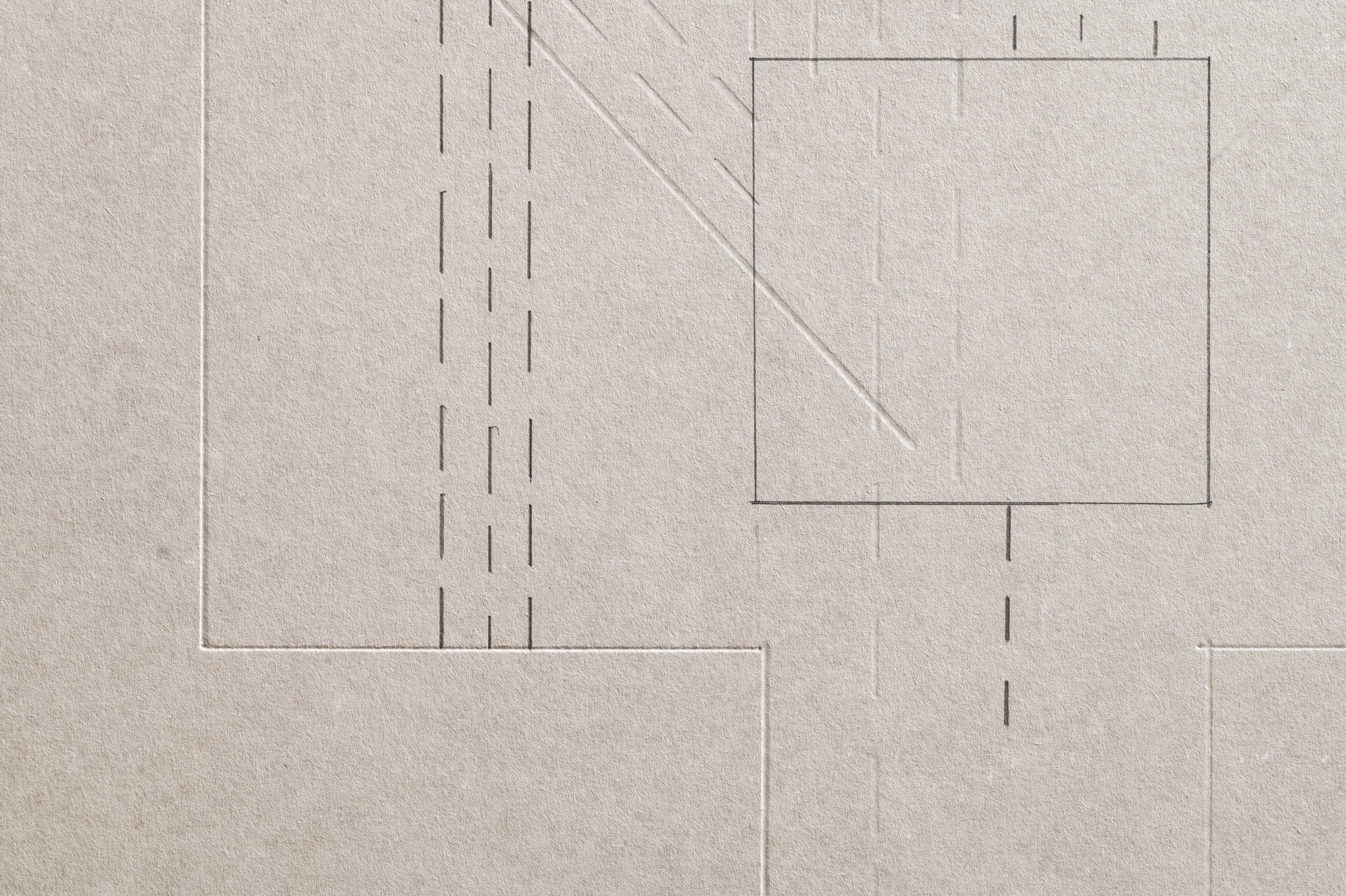
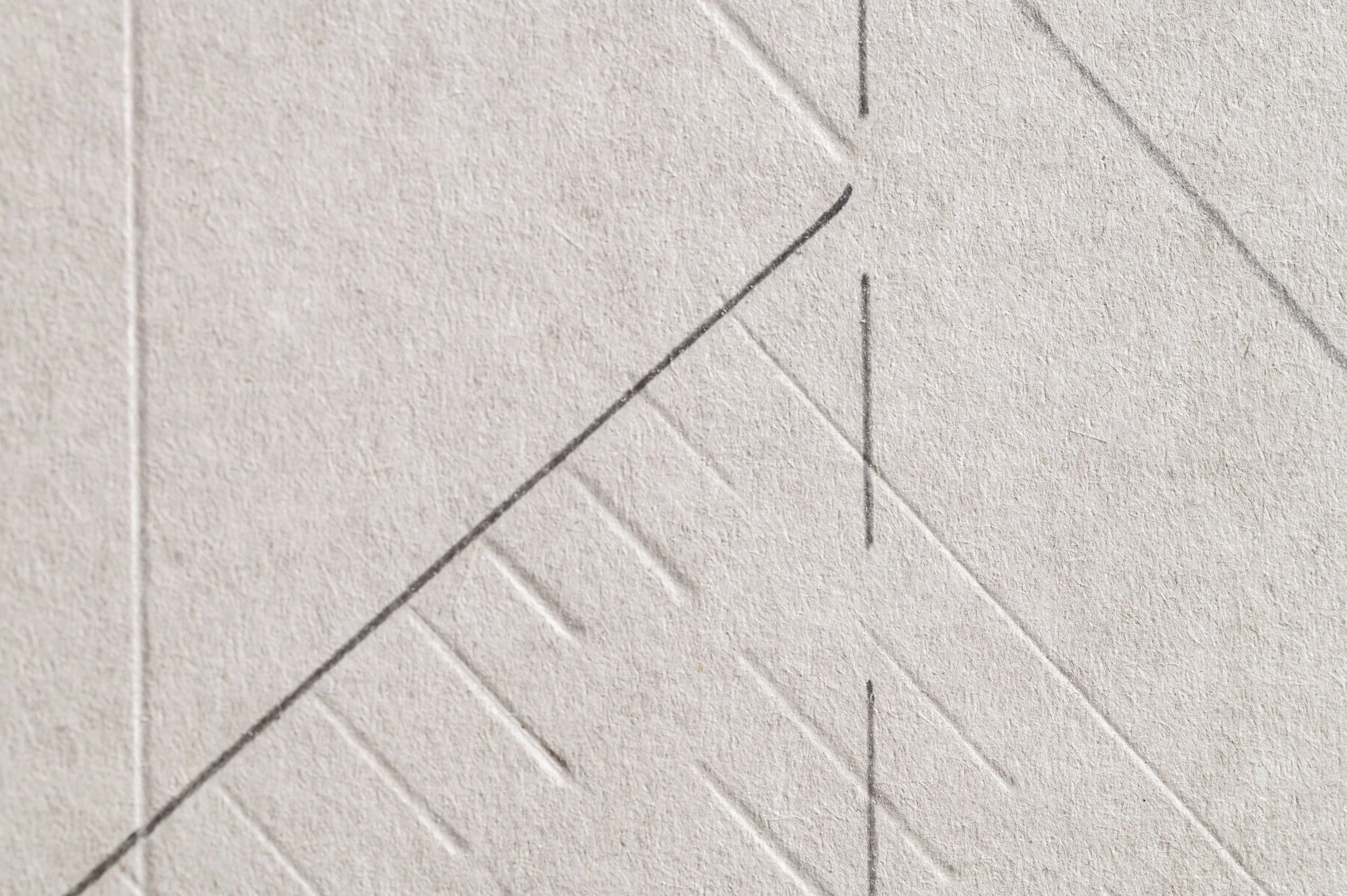
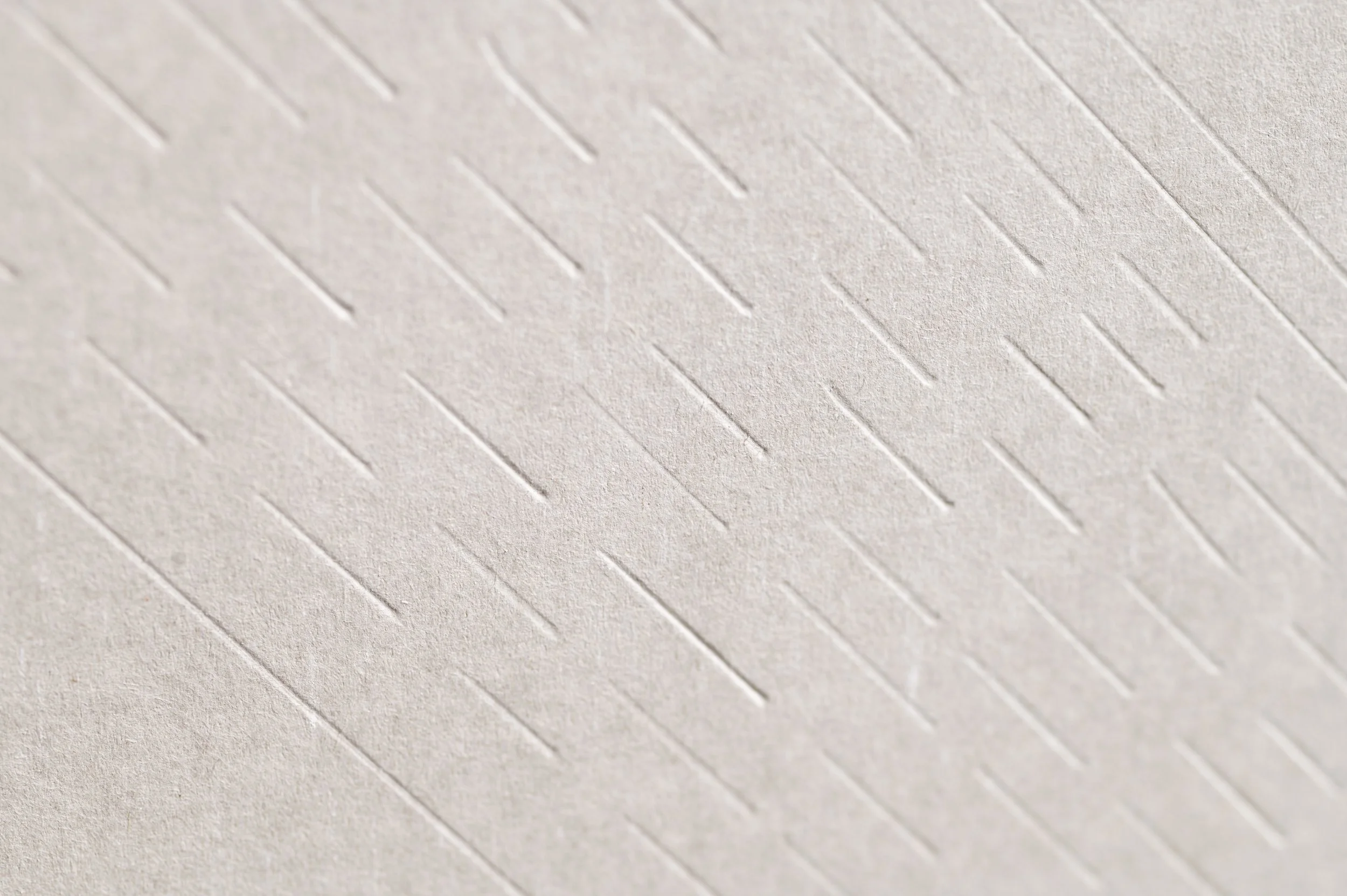
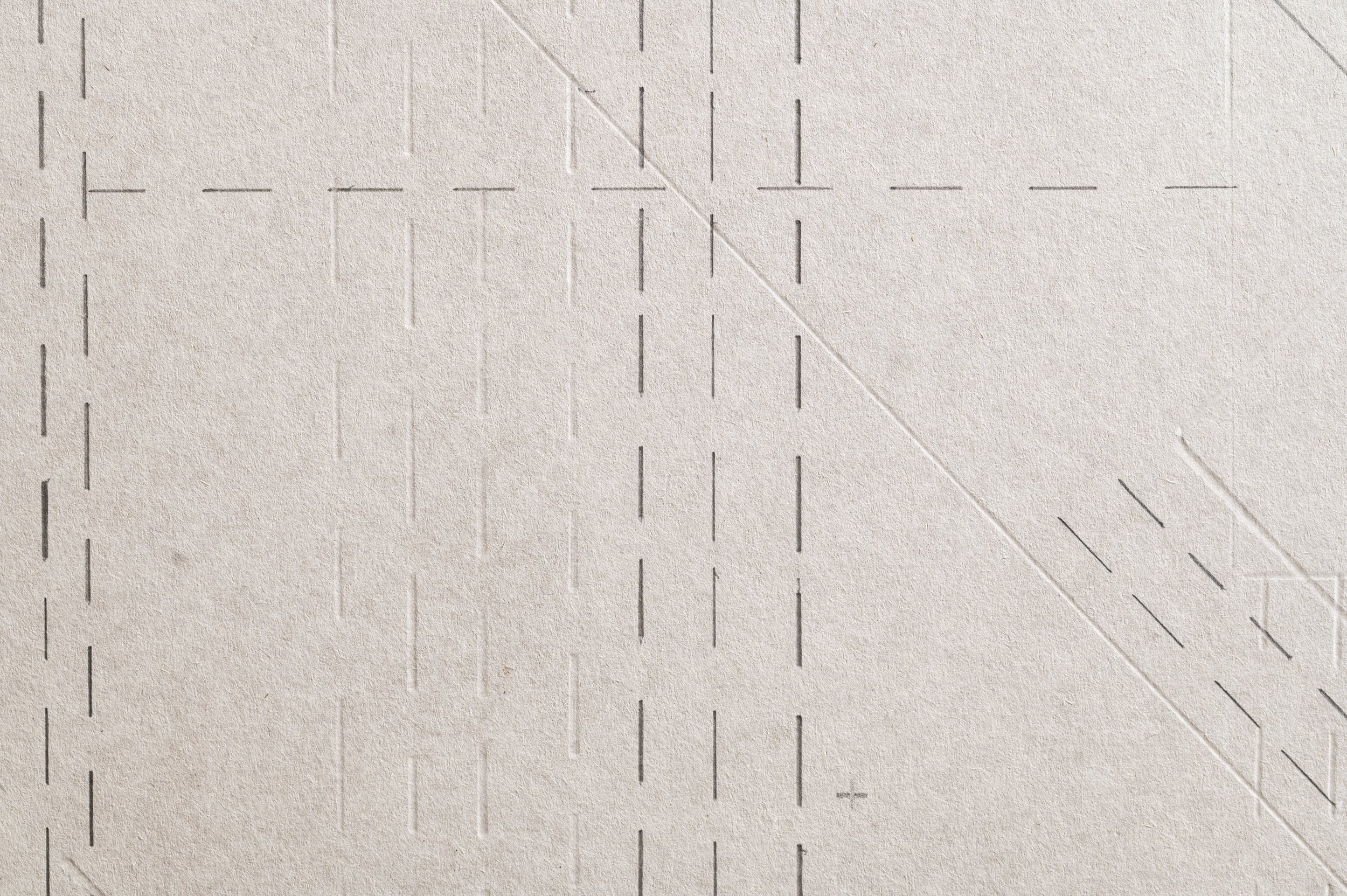
Las piezas en yeso laminado, presentadas en forma de tríptico o en su individualidad, prolongan ese impulso hacia la superficie íntima del muro. Realizadas mediante presión, grafito o lápiz, y enmarcadas en acero inoxidable, constituyen variaciones de un mismo gesto: explorar la frontera entre dibujo y relieve, entre superficie y profundidad.
No hay cristal que las separe: son huellas directas, inscripciones que revelan cómo lo doméstico puede tornarse escritura. Cada obra registra una intensidad distinta del gesto, fijando la memoria táctil del trazo y su resonancia espacial.
En este ejercicio de memoria y desmemoria —fijar un lugar para luego reimaginarlo— el artista se sitúa en diálogo con prácticas que piensan el espacio como tránsito.
In his Éloge de la main, Focillon reminds us that every form, before being a concept, is a gesture. The hand thinks while it acts, imprinting a rhythm on matter that not only shapes an object, but also opens up a way of inhabiting the world. This relationship between thought and trace, between body and space, runs through Lluc Margrau's practice, always sustained by the minimal: the pressure of a pencil, the incision of a punch on laminated plaster, the line that delimits an invisible arc. This idea serves as the starting point for the series of four works that make up this ensemble.
The laminated plaster pieces, presented as a triptych or individually, prolong this impulse towards the intimate surface of the wall. Made using pressure, graphite, or pencil, and framed in stainless steel, they constitute variations on the same gesture: exploring the boundary between drawing and relief, between surface and depth.
There is no glass separating them: they are direct traces, inscriptions that reveal how the domestic can become writing. Each work records a different intensity of gesture, fixing the tactile memory of the stroke and its spatial resonance.
In this exercise of memory and forgetfulness—fixing a place in order to then reimagine it—the artist enters into dialogue with practices that conceive of space as transit.